
How we built this comparison
This page combines traveler discussion patterns, published price ranges, transit details, and seasonal data to make the Morocco vs Egypt decision easier to resolve.
- Reviewed Reddit-style traveler discussions and recurring decision patterns for Morocco and Egypt.
- Checked numeric claims like accommodation ranges, transit costs, transfer times, or seasonal patterns where those numbers appear on the page.
- Updated the page structure so each major section ends with a clearer winner, reason, and traveler-use note.
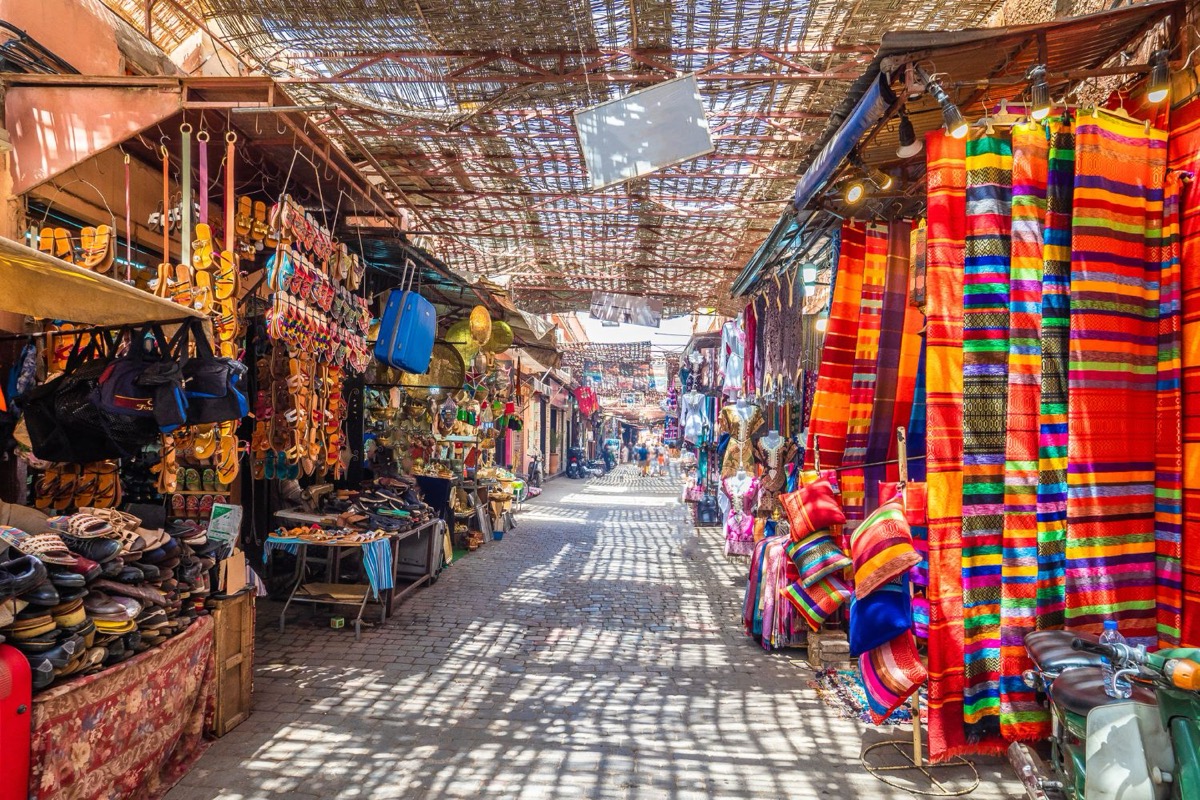
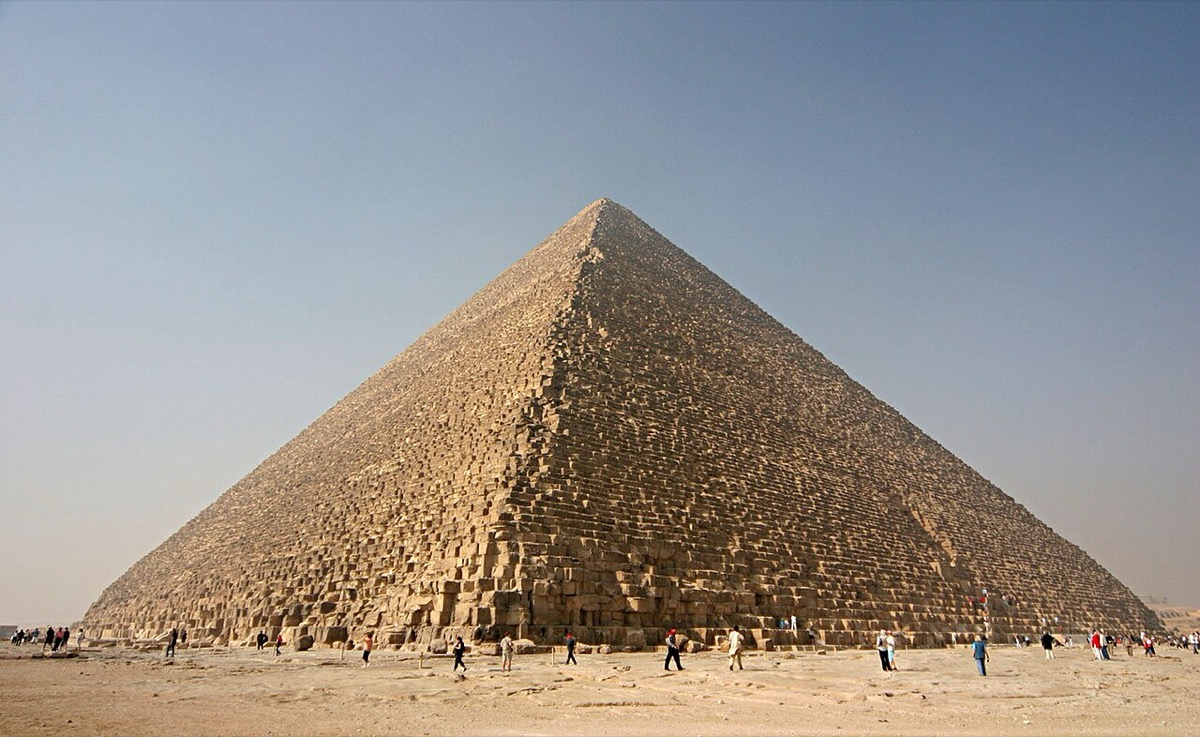
⚡ Quick Answers
📊 Visual Scorecard
⚡ The TL;DR Verdict
Morocco is better if you want Foodies, photographers, first-time Africa visitors. Egypt is better if you want History buffs, bucket-listers, divers. Mid-range budget: Morocco $80–150/day vs Egypt $80–$150/day.
- Choose Morocco: Foodies, photographers, first-time Africa visitors.
- Choose Egypt: History buffs, bucket-listers, divers.
- Budget snapshot: Morocco: $80–150/day; Egypt: $80–$150/day.
Choose Morocco
Foodies, photographers, first-time Africa visitors.
Choose Egypt
History buffs, bucket-listers, divers.
Quick Comparison
| Category | 🕌 Morocco | 🏛️ Egypt | Winner |
|---|---|---|---|
| Daily Budget (mid-range) | $80–150/day | $60–100/day | Egypt |
| Food Scene | Tagines, couscous, pastilla, street food paradise | Koshari, ful, shawarma — hearty and cheap | Morocco |
| Historical Sites | Medinas, kasbahs, Roman ruins (Volubilis) | Pyramids, Valley of the Kings, Abu Simbel, Karnak | Egypt |
| Landscape Diversity | Mountains, desert, coast, gorges, blue cities | Desert, Nile Valley, Red Sea | Morocco |
| Tourist Hassle | Moderate (mainly Marrakech medina) | High (Cairo, Luxor, Giza especially) | Morocco |
| Getting Around | Trains, CTM buses, private drivers | Domestic flights, trains, Nile cruises | Tie |
| Accommodation Vibe | Impressive riads with courtyards and rooftops | Hotels (budget to luxury), Nile cruise ships | Morocco |
| Best Unique Experience | Sahara desert camp under the stars | Nile cruise from Luxor to Aswan | — |
| Nightlife | Low-key; rooftop terraces, Essaouira bars | Cairo has a scene; Dahab is chill | Tie |
| Best For | Foodies, photographers, first-time Africa visitors | History buffs, bucket-listers, divers | — |
🍲 Food & Dining
This is Morocco's knockout category. Moroccan cuisine is widely considered one of the finest in Africa and the Middle East, and Reddit travelers consistently rave about it. The slow-cooked tagines (lamb with prunes and almonds, chicken with preserved lemon and olives), fluffy couscous served communal-style on Fridays, pastilla (a sweet-savory pastry with pigeon or chicken), and harira soup are all among the best. Street food in Marrakech's Jemaa el-Fna square is legendary — grilled meats, msemen flatbread, fresh-squeezed orange juice for 5 MAD (~$0.50), and snail soup if you're adventurous.
Egypt's food scene is simpler but deeply satisfying and absurdly cheap. Koshari (Egypt's national dish — a carb bomb of rice, pasta, lentils, chickpeas, and tomato sauce) costs 20–40 EGP (~$0.40–0.80). Ful medames (stewed fava beans), ta'ameya (Egyptian falafel made with fava beans instead of chickpeas), and shawarma are everywhere. Fresh juice bars sell massive cups of mango, guava, or sugarcane juice for $0.50–1. The food is hearty, filling, and incredibly budget-friendly — but it lacks the refinement and variety of Moroccan cuisine.
Price comparison
Egypt wins on price by a wide margin. A filling street meal in Egypt costs $0.50–2. In Morocco, street food runs $2–5. Sit-down restaurant meals: $5–12 per plate in Egypt vs $8–20 in Morocco. Morocco's riad restaurants offer beautiful settings and multi-course meals for $20–35 per person — excellent value for the experience but still 2–3x what you'd pay in Egypt. The best value in Morocco is the set lunch menus at local restaurants: a full tagine, bread, salad, and mint tea for 50–80 MAD ($5–8).
🏛️ History & Culture
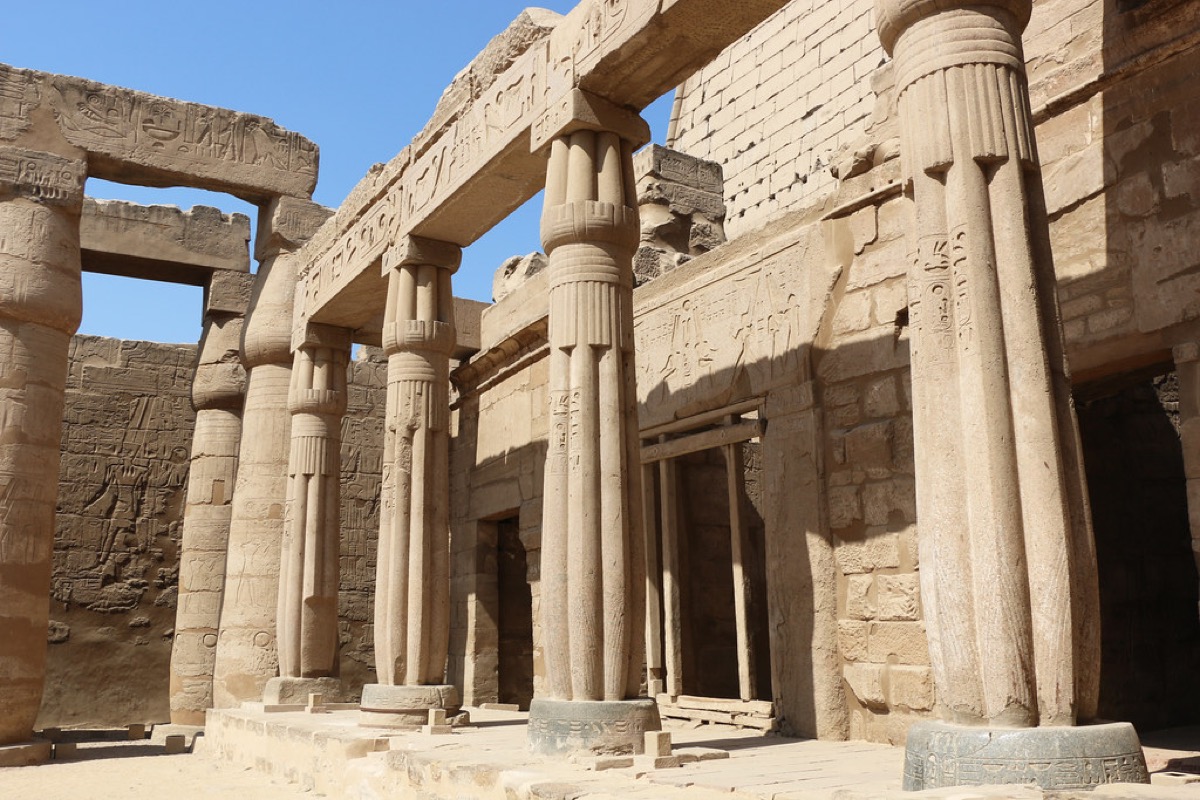
Egypt's ancient heritage is in a category of its own. The Pyramids of Giza are the last surviving Wonder of the Ancient World, and standing at their base is one of those rare travel moments that genuinely lives up to the hype. The Valley of the Kings in Luxor contains 63 royal tombs including Tutankhamun's, Karnak Temple is the largest ancient religious site on Earth, and Abu Simbel's massive rock-cut statues are staggering. The Egyptian Museum in Cairo (and the new Grand Egyptian Museum in Giza) house treasures spanning 5,000 years. Nothing in Morocco — or almost anywhere else — comes close to this depth of ancient history.
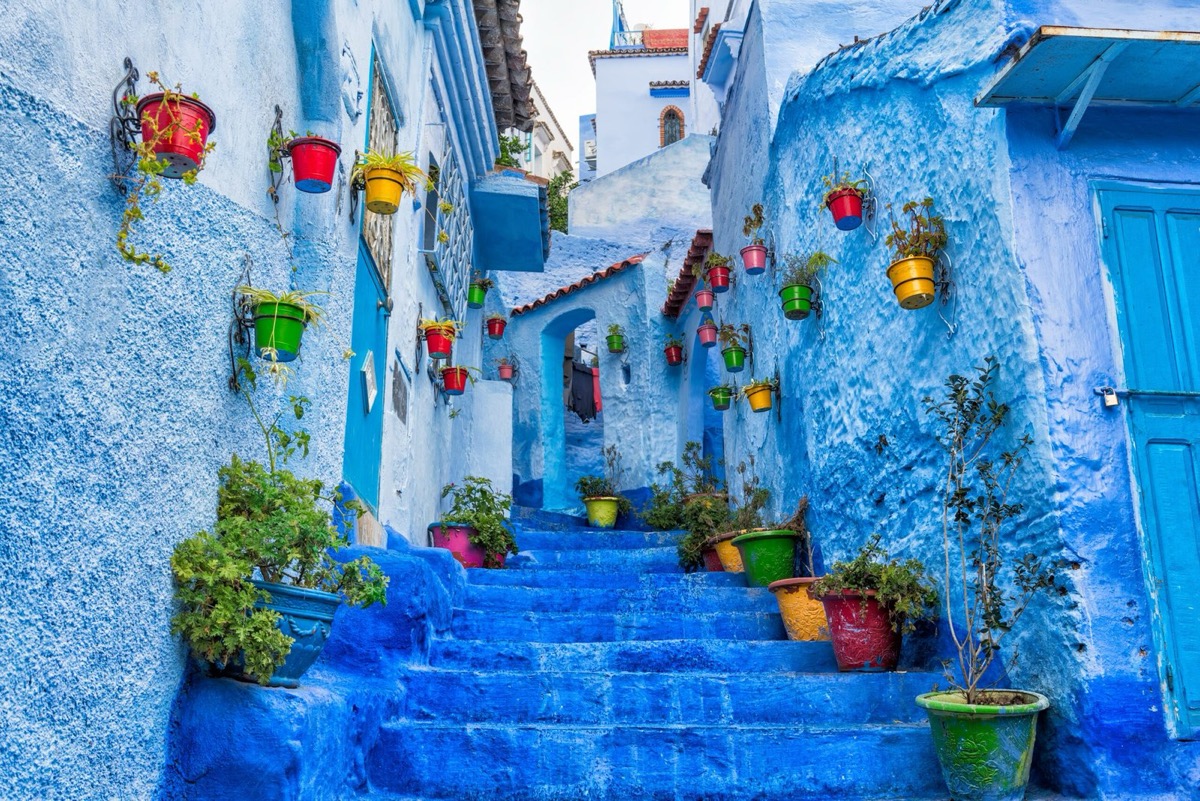
Morocco's cultural appeal is different but equally compelling. It's a living culture rather than an archaeological one. The medieval medinas of Fez (the world's largest car-free urban area) and Marrakech are UNESCO World Heritage Sites that haven't been museumified — people still live, work, and trade in them exactly as they have for centuries. The tanneries of Fez, the blue-painted streets of Chefchaouen, the kasbahs of the Draa Valley, and the Roman ruins of Volubilis all offer fascinating cultural depth. Morocco also has a unique Berber, Arab, and French colonial blend that gives it a character unlike anywhere else.
A word about hassle: Both countries have aggressive touts, but Egypt is widely reported as significantly worse. In Cairo and Luxor, you'll be approached constantly by people offering "help," trying to redirect you to shops, or running overcharging scams. Multiple Reddit users describe it as "almost unbearable" in Luxor especially. Morocco's hassle is concentrated in Marrakech's medina and is generally less persistent — a firm "la shukran" (no thanks) usually works. Cities like Chefchaouen, Essaouira, and Rabat are notably relaxed.
💰 Cost Comparison
Egypt is significantly cheaper than Morocco across nearly every category. The Egyptian pound has devalued dramatically (from 15 EGP/$1 in 2022 to ~48 EGP/$1 in 2026), making Egypt one of the cheapest tourist destinations in the world for Western visitors. Morocco is still affordable compared to Europe, but it's roughly 30–40% more expensive than Egypt day-to-day.
| Expense | 🕌 Morocco (USD) | 🏛️ Egypt (USD) |
|---|---|---|
| Hostel dorm | $15–30/night | $8–15/night |
| Mid-range hotel/riad | $80–150/night | $50–100/night |
| Budget meal | $2–5 | $0.50–2 |
| Sit-down dinner | $8–20 | $5–12 |
| Local transport (per ride) | $1.50–3 (petit taxi) | $1–3 (taxi/Uber) |
| Intercity travel | $10–25 (train/bus) | $3–18 (train); $100+ (flight) |
| Historic site entry | $1–7 per site | $5–25 per site (foreigners pay more) |
| Guided day tour | $30–60/person | $25–50/person |
| Daily total (mid-range) | $80–150 | $60–100 |
The hidden cost in Egypt: Entrance fees for archaeological sites add up fast and have increased significantly. The Pyramids of Giza cost 600 EGP (~$12.50) just for the plateau, with the Great Pyramid interior an extra 600 EGP. Valley of the Kings is 600 EGP plus 100–1,400 EGP per special tomb. A full day of site visits in Luxor can cost $30–50+ in entrance fees alone. Morocco's equivalent sites cost 10–70 MAD ($1–7) each.
The hidden cost in Morocco: Accommodation. Morocco's beautiful riads (traditional courtyard guesthouses) are a major part of the experience, but good ones start at $80–150/night. You can find budget options for $30–50, but they're a step down in quality. Egypt's mid-range hotels are consistently cheaper.
🚌 Getting Around
Morocco has a solid transport network. The ONCF trains connect major cities (Casablanca–Marrakech: 2.5h, $10–15; Casablanca–Fez: 3h, $15–25), and the Al Boraq high-speed train between Tangier and Casablanca takes just 2 hours. CTM and Supratours buses cover routes the trains don't, including desert towns like Merzouga and mountain villages. For the Sahara and Atlas Mountains, hiring a private driver ($80–150/day) is the most practical option and can be shared among a group. Within cities, petit taxis (metered in most cities, negotiated in Marrakech) are cheap at $1.50–3 per ride.
Egypt's transport is more spread out. The main tourist triangle (Cairo–Luxor–Aswan) is best covered by domestic flights ($100–150 per leg) or overnight sleeper trains ($80–110 for a berth). Standard trains are very cheap ($3–18 for first class) but slower and less comfortable. The quintessential way to see Upper Egypt is a Nile cruise from Luxor to Aswan (3–4 nights, $200–800+ depending on quality), which combines transport with accommodation and sightseeing. Within Cairo, Uber works well and is extremely cheap ($2–5 for most rides). Taxis without apps require negotiating, which can be stressful.
☀️ Best Time to Visit
Both countries are best visited in their cooler months. Summers in both can be genuinely dangerous — Marrakech and Cairo both regularly hit 40°C+ (104°F+) with crushing heat. Here's a season-by-season breakdown:
Best seasons
Morocco: March–May and September–November are the sweet spots. Spring brings wildflowers to the Atlas Mountains and comfortable temperatures everywhere. Autumn is warm but not brutal, with smaller crowds than spring. If visiting in summer, stick to the Atlantic coast — Essaouira stays around 20–25°C thanks to ocean breezes while Marrakech bakes at 40°C+.
Egypt: October–April is prime season. December and January are peak (Christmas/New Year tourism), with comfortable 20–25°C days in Luxor and Aswan. February–March is excellent — warm but not hot, fewer crowds than December. Summer (June–August) should be avoided unless you're purely going for Red Sea diving (Dahab and Hurghada are bearable with sea breezes).
Sahara note: If a desert experience is important to you (and it should be — it's incredible), be aware that the Sahara is extreme. Summer daytime temps can exceed 50°C, and winter nights can drop below freezing. The best months for desert camping are March–May and October–November in both countries.
🏨 Where to Stay
Morocco cities & neighborhoods
Marrakech — The main event for most first-timers. Stay in the medina for the full immersion (riads around Jemaa el-Fna or the quieter Mouassine quarter), or in Gueliz/Hivernage for modern hotels and easier navigation. Riads range from $30–50 (basic) to $150–400+ (luxury with pools and rooftop dining). The medina is chaotic but magical — prepare for getting lost.
Fez — Older, less touristy, arguably more authentic than Marrakech. The Fez medina is the world's largest car-free urban area and genuinely feels medieval. Stay near Bab Bou Jeloud (the blue gate) for convenient access. Riads here are 20–30% cheaper than equivalent quality in Marrakech.
Chefchaouen — The famous "Blue City" in the Rif Mountains. Small, walkable, relaxed, and photogenic beyond belief. Budget guesthouses from $20–30/night. Come for 1–2 nights — it's beautiful but compact.
Essaouira — Atlantic coast town with a chilled-out, artistic vibe. Windy (great for surfing/kitesurfing), with fresh seafood grills on the port for $5–10. A perfect 2–3 day add-on after the intensity of Marrakech.
Egypt cities & neighborhoods
Cairo / Giza — Massive, chaotic, fascinating. Stay in Zamalek (leafy island neighborhood, walkable, good restaurants) or Downtown Cairo (historic buildings, close to Egyptian Museum, more gritty). Many budget travelers stay in Giza to be near the Pyramids. Mid-range hotels: $50–100/night. Budget: $10–30.
Luxor — Small, walkable, and temple-dense. East Bank has most hotels and Luxor/Karnak temples. West Bank has Valley of the Kings and is quieter for accommodation. 2–3 nights is enough for the main sites. Hotels are very affordable: $30–80 mid-range.
Aswan — The most relaxed city in Egypt. Beautiful Nile-side setting, Nubian culture, felucca sailing, Philae Temple. A great place to slow down after the intensity of Cairo and Luxor.
Dahab — Red Sea backpacker haven on the Sinai Peninsula. Among the best diving and snorkeling (Blue Hole), chill beachfront cafes, very affordable. A completely different vibe from the rest of Egypt.
🎒 Day Trips
Both countries have excellent day trip potential from their main bases, but the experiences are very different.
From Marrakech
Ouzoud Waterfalls (2.5h) — Morocco's most spectacular waterfalls, with Barbary macaques and swimming holes. A popular full-day excursion.
Atlas Mountains / Imlil (1.5h) — Berber villages, hiking trails, and striking mountain scenery. Base for Mount Toubkal, North Africa's highest peak (4,167m).
Essaouira (2.5h) — Atlantic coast escape with seafood, surfing, and a medina that's like a calmer Marrakech.
Aït Benhaddou (3.5h) — UNESCO-listed kasbah and filming location for Gladiator, Game of Thrones, and Lawrence of Arabia.
From Fez
Volubilis (1h) — Remarkably well-preserved Roman ruins — Morocco's best archaeological site. Often combined with Meknes.
Meknes (1h) — Former imperial capital with massive city walls, Bab Mansour gate, and far fewer tourists than Fez or Marrakech.
Chefchaouen (4h) — Doable as an overnight from Fez, or a (long) day trip.
From Cairo
Memphis & Saqqara (1h) — The Step Pyramid of Djoser (the world's oldest monumental stone building) and the open-air museum at Memphis. Less crowded than Giza.
Alexandria (2.5h by train) — Mediterranean coastal city with Greco-Roman history, the Bibliotheca Alexandrina, and excellent seafood.
Fayoum Oasis (2h) — Desert landscapes, waterfalls, and Wadi El Rayan nature reserve. A popular escape from Cairo's chaos.
From Luxor
Dendera & Abydos (1.5h / 3h) — Two of Egypt's best-preserved temples with sharp reliefs and colors. Often combined as a full-day tour (~$38 for a driver).
Valley of the Kings / West Bank (technically across the river, not a day trip, but a full day of exploration).
🔀 Why Not Both?
Unlike Tokyo and Kyoto (2 hours apart by bullet train), Morocco and Egypt are separated by 3,500+ kilometers of North Africa. There's no efficient overland route — you'd cross through Algeria and Libya, which is impractical. Direct flights between Casablanca and Cairo take about 5 hours and cost $200–400 round trip on Royal Air Maroc or EgyptAir.
That said, a combined trip is absolutely doable if you have the time. Here are some suggested itineraries:
Suggested combined itineraries
3 weeks: 10 days Morocco (Marrakech 3 → Sahara 2 → Fez 3 → Chefchaouen 2) → fly → 8 days Egypt (Cairo 3 → Luxor/Aswan Nile cruise 4 → Cairo 1)
2 weeks (tight): 7 days Morocco (Marrakech 3 → Sahara 2 → Fez 2) → fly → 7 days Egypt (Cairo 2 → fly to Luxor → Luxor/Aswan 4 → Cairo 1)
10 days (one country): Pick one. Seriously. 10 days is barely enough for either country alone if you want to see it properly.
Pro tip: If doing both, start with Morocco and end with Egypt. Morocco's hassle is milder, so it's a better warm-up for the more intense Egypt experience. Plus, ending at the Pyramids and Valley of the Kings is a hell of a finale.
🎯 The Decision Framework
Choose Morocco If…
- You prioritize exceptional culinary experiences and diverse local dishes.
- You seek diverse landscapes for photography, from cities to deserts.
- You're planning your first trip to Africa and prefer an accessible entry point.
- You want a wide range of accommodation options, from riads to luxury hotels.
- You enjoy exploring markets and vibrant street food scenes.
- You appreciate diverse cultural experiences without feeling overwhelmed.
- You're comfortable with a mid-range daily budget of $80-$150.
- You want to capture striking architectural details and desert vistas.
Choose Egypt If…
- You want to explore ancient historical sites, like the Pyramids and temples.
- You are ticking off major global landmarks from your travel list.
- You plan to dive or snorkel in the Red Sea.
- You prioritize a lower daily travel budget, starting around $60.
- You are deeply interested in pharaonic history and archaeology.
- You want to experience a Nile River cruise.
- You seek a destination known for its iconic, recognized monuments.
- You prefer a trip where major historical attractions are the primary focus.
💰 Daily Cost Breakdown
| Expense | Morocco | Egypt |
|---|---|---|
| Hostel dorm | $15-30 | $10-25 |
| Budget hotel | $40-80 | $30-70 |
| Street food meal | $3-8 | $2-6 |
| Restaurant meal | $15-30 | $10-25 |
| Beer/drink | $5-10 | $4-8 |
| Local transport (day) | $5-15 | $3-10 |
| Daily budget total | $50-100 | $40-80 |
Approximate daily costs for 2026. Actual prices vary by season and travel style.
🌤️ Monthly Weather Comparison
| Month | Morocco Temp | Morocco Rain | Egypt Temp | Egypt Rain |
|---|---|---|---|---|
| Jan | 19°C/66°F | 30mm | 19°C/66°F | 5mm |
| Feb | 20°C/68°F | 25mm | 21°C/70°F | 5mm |
| Mar | 23°C/73°F | 30mm | 25°C/77°F | 2mm |
| Apr | 25°C/77°F | 20mm | 30°C/86°F | 1mm |
| May | 29°C/84°F | 5mm | 34°C/93°F | 0mm |
| Jun | 32°C/90°F | 2mm | 35°C/95°F | 0mm |
| Jul | 37°C/99°F | 1mm | 36°C/97°F | 0mm |
| Aug | 37°C/99°F | 1mm | 36°C/97°F | 0mm |
| Sep | 33°C/91°F | 5mm | 33°C/91°F | 0mm |
| Oct | 28°C/82°F | 25mm | 30°C/86°F | 1mm |
| Nov | 23°C/73°F | 30mm | 25°C/77°F | 5mm |
| Dec | 20°C/68°F | 25mm | 21°C/70°F | 5mm |
Average monthly high temperatures and rainfall based on historical climate data.
Made your choice?
Get a free custom itinerary for Morocco or Egypt — with local tips, restaurant picks, and day-by-day plans.
Get a Free Itinerary →❓ Frequently Asked Questions
Is Morocco or Egypt better for first-time visitors to North Africa?
Morocco is generally considered easier for first-time visitors. It has better tourist infrastructure, more diverse landscapes within a compact area, and the hassle from touts is milder than Egypt. Egypt's ancient sites are unmatched, but the intensity of Cairo and Luxor can be overwhelming for first-timers. If you want a gentler introduction to the region, start with Morocco. If ancient history is your primary motivation, go straight to Egypt — it's irreplaceable.
Which is cheaper to visit, Morocco or Egypt?
Egypt is significantly cheaper — roughly 30–40% less for accommodation, food, and transport. A mid-range daily budget in Egypt runs $60–100 per person vs $80–150 in Morocco. Street food in Egypt costs $0.50–2 per meal; in Morocco it's $2–5. The main exception is entrance fees: Egypt's archaeological sites cost $5–25 each (foreigners pay more), while Morocco's historic sites are typically $1–7.
Is Morocco or Egypt safer for tourists?
Both countries are generally safe, with low risk of violent crime against tourists. The primary safety concern in both is scams and aggressive touts. Egypt (especially Cairo and Luxor) is widely reported as having more intense harassment. Morocco's hassle is concentrated in Marrakech's medina but is milder in Fez, Chefchaouen, Essaouira, and Rabat. For solo female travelers, both require modest dress and awareness, but Morocco is generally considered slightly more comfortable.
How many days do you need in Morocco vs Egypt?
For Morocco: 10–14 days is ideal to see Marrakech (3 days), a Sahara excursion (2–3 days), Fez (2–3 days), and either the coast (Essaouira) or mountains (Chefchaouen). A minimum of 7 days covers Marrakech, the Sahara, and Fez. For Egypt: 7–10 days covers Cairo/Giza (2–3 days), Luxor and Aswan (4–5 days via Nile cruise or independently), and optionally Abu Simbel or the Red Sea.
Which has better food, Morocco or Egypt?
Reddit overwhelmingly favors Moroccan food. Tagines, couscous, pastilla, harira soup, and the street food scene in Jemaa el-Fna are among the best. Egyptian food is hearty, comforting, and absurdly cheap (koshari for $0.50, ful sandwiches for $0.30), but it's simpler and less diverse. If food is a major part of why you travel, Morocco is the clear winner.
Can you visit both Morocco and Egypt in one trip?
Yes, with 3+ weeks. Direct flights between Casablanca and Cairo take about 5 hours and cost $200–400 round trip. Plan 10 days Morocco + 7–10 days Egypt. Most travelers pick one per trip since both offer enough for 10–14 days solo. There's no practical overland route between them.
When is the best time to visit Morocco and Egypt?
October–November is the best overlap window for both countries — warm but not brutal, with manageable crowds. March–April is also excellent. Egypt's peak season is December–February (comfortable 20–25°C in Upper Egypt). Morocco's best months are March–May and September–November. Avoid both countries in summer (June–August) unless you're heading to Morocco's coast or Egypt's Red Sea.
Is alcohol available in Morocco vs Egypt?
Both are Muslim-majority countries with restricted but available alcohol. Morocco: alcohol is sold in licensed restaurants, hotel bars, supermarkets (Carrefour, Marjane), and tourist-oriented riads — wine from $4 a glass, Casablanca beer from $3. Most medina restaurants don't serve. Egypt: alcohol is sold in hotels, licensed restaurants, Drinkies and Cheers stores in Cairo, and Red Sea resorts. Egyptian wine ($4–8 a glass), Stella beer ($2–3). During Ramadan, both countries restrict daytime alcohol service.
Do US, UK, EU, Canadian, or Australian citizens need visas?
Morocco: visa-free for stays up to 90 days for US, UK, EU, Canadian, Australian, and most Western passports. Egypt: e-Visa or visa-on-arrival ($25, single-entry, 30 days) for US, UK, EU, Canadian, and Australian citizens — apply online at visa2egypt.gov.eg or get it at Cairo airport on arrival. Both are straightforward; Egypt requires the small fee and 5–10 minutes at the airport.
Is Morocco or Egypt safer for solo female travelers?
Morocco, generally — though both require awareness. Morocco's harassment is verbal-only and concentrated in Marrakech's medina; Fes, Chefchaouen, Essaouira, and Rabat are calmer. Egypt has more intense and persistent street harassment, particularly in Cairo and around tourist sites in Luxor. Both: dress modestly (cover shoulders and knees), book guided tours for first-timers, use Uber (Egypt) or registered grand taxis (Morocco), avoid late-night solo walks. Many solo female travelers report Morocco feeling more comfortable overall.
Should I do a Nile cruise or stay on land in Egypt?
A Nile cruise is the iconic Egypt experience and worth it for first-timers. 4-day Luxor-to-Aswan cruises ($600–1,200 per person all-inclusive) include guided tours of Edfu, Kom Ombo, Philae, Karnak, and Valley of the Kings — efficient and scenic. Land-based travel (private driver Luxor → Aswan, $80–120) is cheaper and more flexible but less comfortable in summer heat. Dahabiya sailing boats (3–4 cabins, no engine) are the boutique alternative — slower, intimate, $200–400/night per person.
How does Morocco's Sahara compare to Egypt's White Desert?
Morocco's Sahara is more accessible and tourist-developed. From Marrakech, 3-day Sahara tours ($120–180/person) take you to Erg Chebbi or Erg Chigaga — golden dunes, camel treks, Berber camps with traditional dinner and music, sunrise from the dunes. Egypt's White Desert (Bahariya Oasis, 5–6 hours from Cairo) has surreal chalk-white limestone formations, fewer tourists, and more desolate beauty — but logistics are harder (private driver-guide $80/day plus camp fees). Morocco for the iconic "desert experience"; Egypt's for off-the-beaten-path photographers.
Can you drink the tap water in Morocco vs Egypt?
No — both. Tap water in both Morocco and Egypt is not recommended for tourists due to different bacteria than your gut is used to. Stick to bottled water (Sidi Ali in Morocco, Baraka in Egypt — both about $0.30–0.50 per liter), or bring a Steripen/LifeStraw. Use bottled water for brushing teeth too in the first few days. Restaurants generally serve bottled or filtered water; most riads and hotels provide filtered water dispensers.
Do I need to dress conservatively in Morocco vs Egypt?
Yes for both, but expectations differ. In Morocco: women should cover shoulders and knees in cities, especially in medinas; pants/long skirts and short-sleeve shirts are fine. Headscarves not required (except inside mosques you visit). Tourist beaches (Essaouira, Agadir) allow Western beachwear. In Egypt: similar standards in Cairo, more strict near religious sites (knees and shoulders covered, headscarf inside mosques). Red Sea resorts (Hurghada, Sharm el-Sheikh, Dahab) are tourist bubbles where Western beachwear is fine.
What's the best way to get between major cities in each country?
Morocco: trains. Al Boraq high-speed Casablanca → Tangier (2h 10m, $25–40 standard, $50–70 first class), Casablanca → Marrakech (2h 50m), Casablanca → Fes (3h 30m). Supratours/CTM buses fill rail gaps (Marrakech → desert/Atlas). Egypt: domestic flights for long distances (Cairo → Luxor 1h, $50–100 on EgyptAir/Nile Air), sleeper trains Cairo → Aswan ($50–80 in shared cabin, ~13h overnight), Uber within Cairo (cheap and reliable, $2–5 across town). Avoid driving yourself in either country.
Are tips expected in Morocco vs Egypt?
Yes, in both — tipping (baksheesh in Egypt, pourboire in Morocco) is woven into the service economy. Morocco: 10% in restaurants if no service charge, 10–20 dirhams ($1–2) for hotel staff and drivers, 50–100 dirhams ($5–10) for tour guides per day. Egypt is more aggressive: 10–15% in restaurants, $1–2 for restroom attendants and small services, $10–20/day for drivers, $20–40/day for Egyptologist guides. Egypt's tipping culture is more constant and expected at every interaction.
Ready to plan your North Africa trip?
Get a free custom itinerary for Morocco, Egypt, or both — built from real traveler insights, not generic templates.